Let’s explore the keys to building robust connections that go beyond repeat customers.
Creating a Culture
What exactly is brand loyalty, and how can you develop it for your outdoor company?
Think of a brand you absolutely love. Maybe you don’t have every single product on the market, but you’re pretty sure that whatever they come out with, you would be willing to buy. That is brand loyalty in action. In fact, you might be such a fan that you’ve signed up for their rewards program and benefit from various purchase rewards and points. This is an even more telling sign of brand loyalty.
Brand loyalty is earned and valuable and there are reasons consumers tend to choose the same ones consistently over others. However, there is a difference between brand loyalty, and simply having repeat customers. Brand loyal consumers return to a particular brand due to an identifiable factor. Demystifying customer loyalty may seem like a behemoth task, but ultimately it distills down to behavioral psychology.
Photo Credit: Hikerkind
Tap Into Emotion
One of the strongest components of brand loyalty and return customers is the (often overlooked), but incredibly powerful trait we all inherently possess: Emotion.
You may have heard that emotions influence our purchasing decisions by 95% and it would be a mistake to not utilize this knowledge when applying it to growing a following for your outdoor brand. Emotions play a critical role in shaping loyalty. When customers connect emotionally with a brand, they’re more likely to become loyal customers, and you need to understand them deeply to forge this bond.
Use tools such as customer personas and journey maps to identify different motivations and needs at various stages. Make it a goal to surprise and delight customers, and in turn trigger the release of dopamine. This positive association will help ensure continued engagement and experiences with the brands platform and services, and ultimately shape their emotional connection.
The second crucial factor in establishing brand loyalty is a sense of community and connection. We are hardwired to seek out groups and feelings of belonging and meaningful interactions. You can leverage this need through social media with your outdoor brand by nurturing an organic community and encouraging customers to engage with one another.
Brand ambassadors are also a method of putting faces and identities to a brand. Platforms such as instagram make it incredibly easy to connect authentically, no matter what stage your company is in.
Even if you are in the absolute beginning phase of development and don’t have a “polished” physical product yet- show your followers the journey thus far. Tell a story about your motivation; how you arrived at your current state, and capitalize on tools such as hosting Q&A’s, livestreams and taking your audience on behind the scenes tours of your business.
Photo Credit: Truewerk
A Consistency Continuum
As a brand, proving you are consistent and reliable is essential for retaining a loyal audience.
A few ways for outdoor brands to do this are by making sure you have consistent branding across all platforms; this includes everything from brand colors to typography to logos and visuals. This establishes the familiarity principle, which is essentially that we as humans,like things that are familiar to us. Using social proof such as testimonials, reviews and case studies can help provide the nudge of reassurance that customers might need to choose your brand over another.
In addition, rewarding loyal customers can provide huge dividends, specifically in the form of loyalty programs. If cheesy, department store credit cards immediately come to mind, don’t worry- there are plenty of ways you can tailor these programs to your unique business goals and audience.
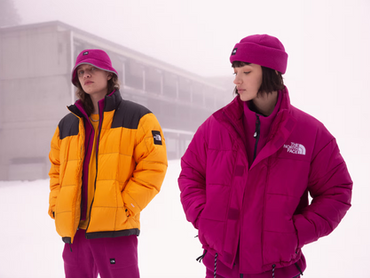
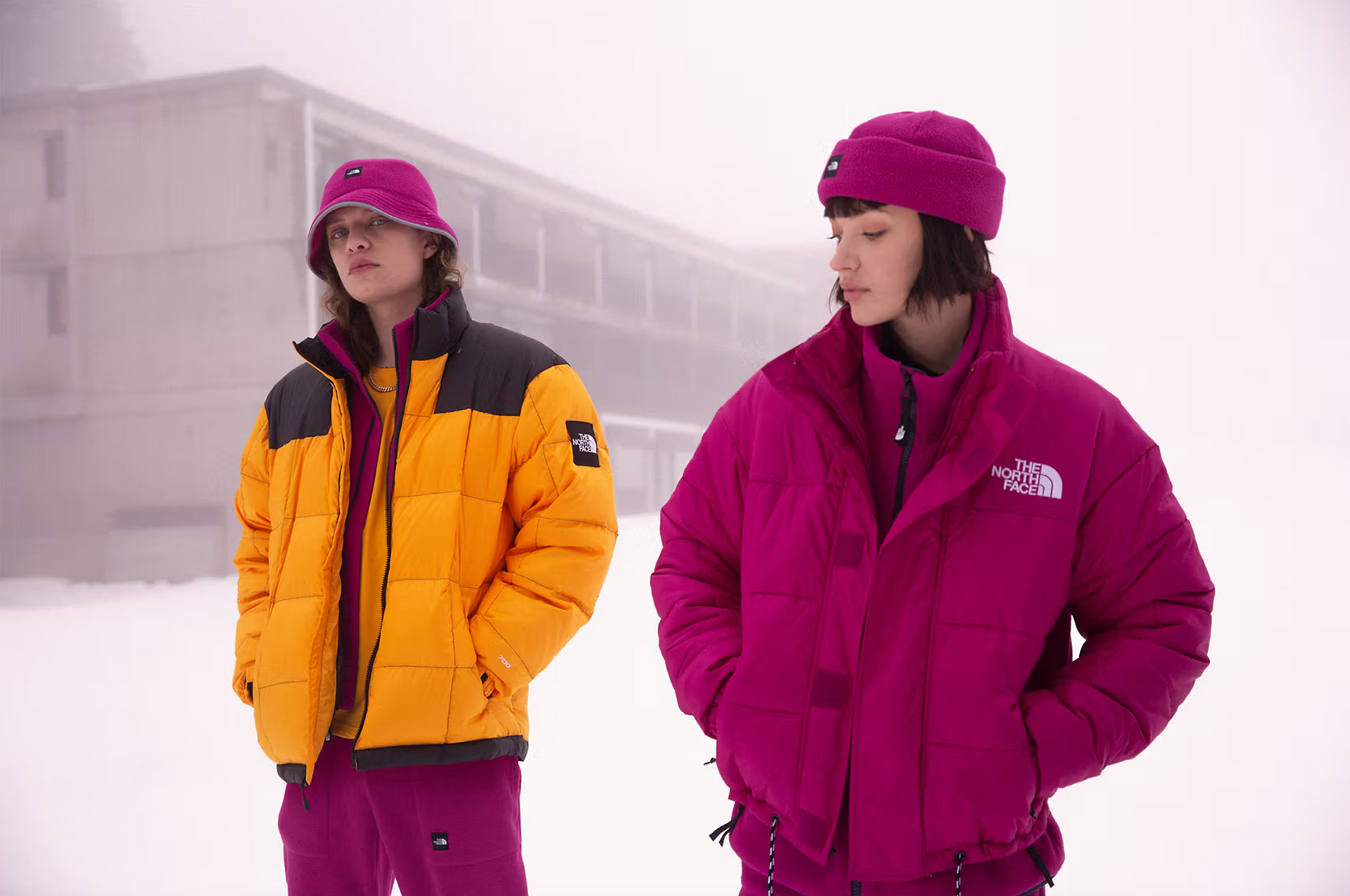
For example, The North Face elevated their customer experience by reshaping their customer loyalty program. It evolved from VIPeak to XPLR Pass, where they extend a 10% discount on first purchases to new members and utilizes a point system where members gain one point for every dollar spent. The XPLR pass is also extremely visible in its promotion- the North Face landing page features a full bleed image and call to action to become an XPLR member, while also being prominently displayed in the website top navigation.
If you’re thinking that reward systems and points seem frivolous and expensive, remember that investing in the retention and loyalty of existing customers is less costly than marketing to brand new ones. Purpose driven loyalty programs encourage “super fans” to keep spreading the word and bringing them back, while also providing intrigue for brand-neutral customers.
Photo Credit: Hypebae
Making Your Mark
There is also the conundrum of the customer’s desire to stand out from the crowd, while also maintaining a sense of community, rapport and social approval.
Outdoor brands can achieve these opposing needs by providing the best of both worlds and maintaining a strong brand identity for customers to feel aligned with, within a group they identify as being unique.
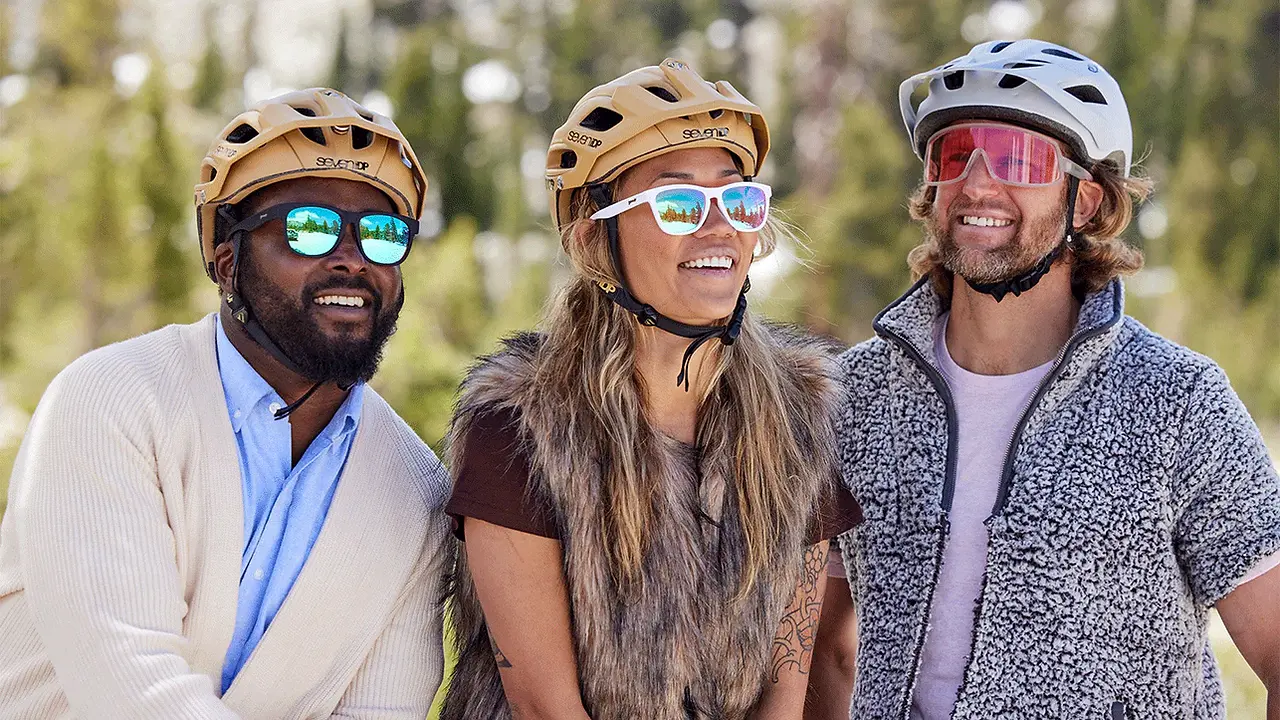
Take for example, a brand that has exploded in popularity in the past few years, Goodr Sunglasses. While the notion of affordable, brightly colored sunglasses isn’t exactly a new concept, the way in which Goodr positions themselves using a distinct brand voice, “irreverent and absurd” visuals and unconventional identity in general, has created a cult following. The playful vibe, including a pink flamingo mascot named Carl has amassed a successful social media following that lends itself well to shares and ultimately, loyal fans that can’t get enough.
Photo Credit: Goodr Website
Wrapping It All Up
Brand loyalty doesn’t happen overnight, but with a comprehensive marketing & social media plan, success can definitely be achieved and measured in a relatively short amount of time.
How do you know if you’re on the right track?
Here are some positive indicators:
Having products that sell out quickly
Products that require waitlists
Consistent backorders
Popular presale quantities
These are all signs that customers are willing to buy, even before the market has decided its value. Another tactical approach is tracking repeat customers and tracking lifetime value. The higher each one is, the more likely you are to have that customer repeat their purchase with your brand.
Like what you see? Subscribe to our email to receive even more industry insights and case studies.
The Power of Brand: Insights on Launching New Products or Product Categories
Updated: Aug 29, 2025
In the consumer goods market, the allure of being first to market with a new product or category is strong, but it doesn’t always lead to long-term success. I wanted to offer a few points of the intricacies of brand power, the impact of larger brands, and strategic considerations for startups.
Being First to Market Doesn’t Guarantee Category Founder Status
Being first to market can seem like a clear path to becoming the category leader, but this isn’t always the case. History shows that it’s not enough to be first; you must also establish a strong brand connection with consumers (a community) and a unique value proposition (UVP).
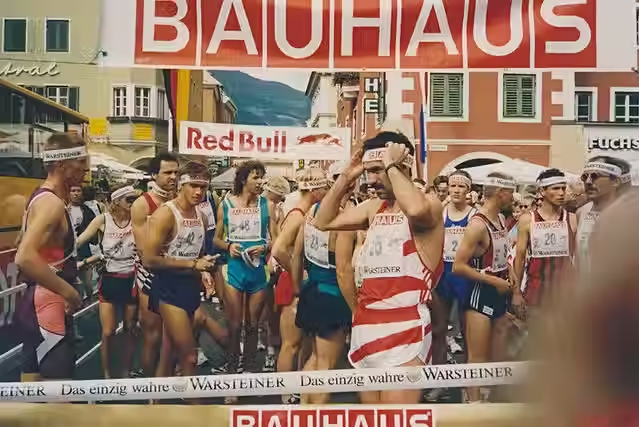
Take Red Bull as an example. While it wasn’t the first energy drink, it became synonymous with the category due to its strategic branding and marketing efforts. This demonstrates that establishing a lasting consumer connection is crucial for being recognized as a category founder. They were at the events, energizing and activating people. They won on authenticity.
Larger Brands Can Eclipse Early Movers
Even if a company pioneers a new product, larger, established brands can overshadow it by entering the market later. These big players have the advantage of significant resources, established distribution networks, and strong brand recognition.
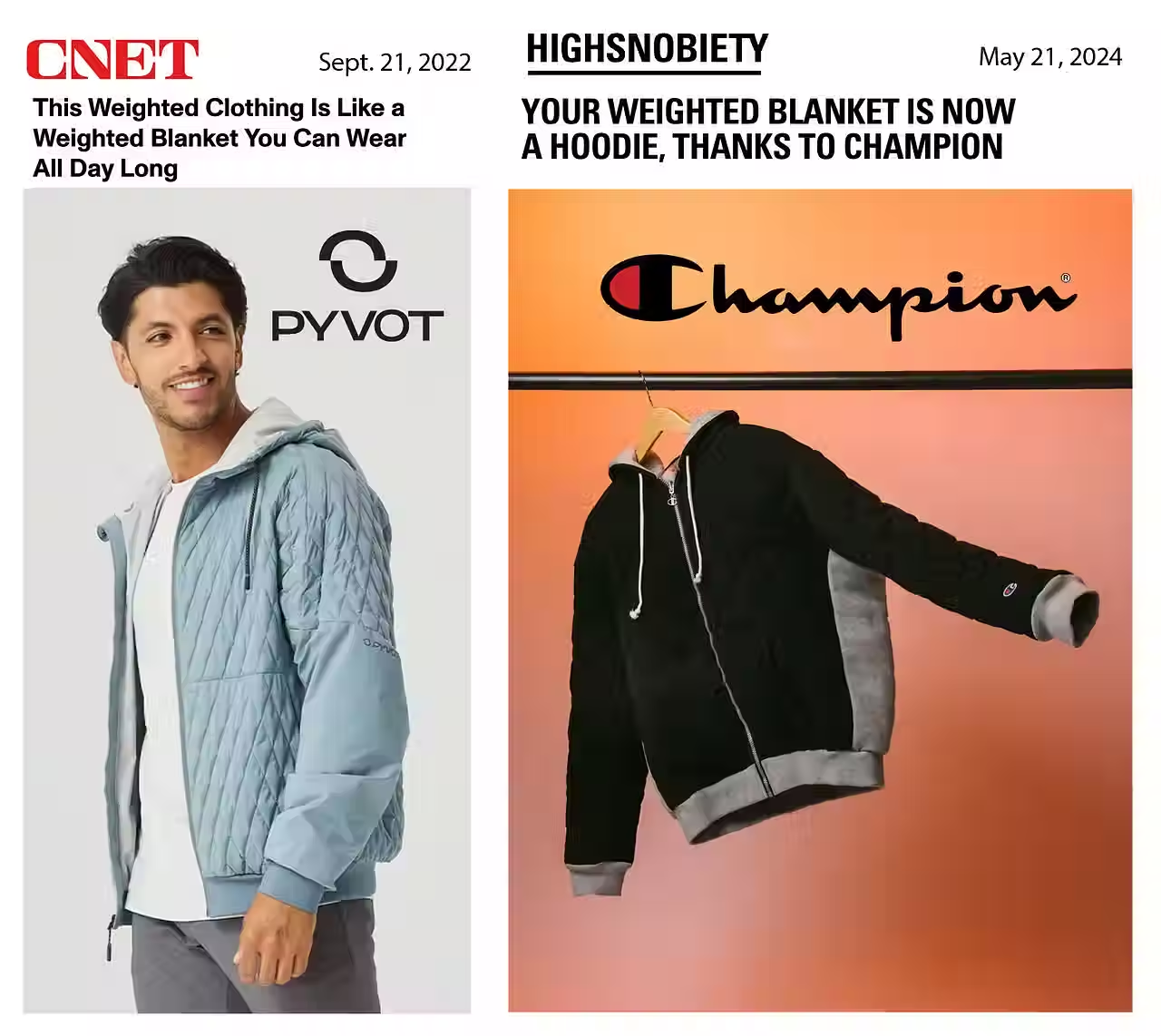
This truth reared it’s head strong over the past week in my LinkedIn feed. About 4 years ago we started a project with one of the market leading weighted blanket companies, to bring to market a collection of weighted jackets and hoodies to help people feel the same calming effects that their blankets had. It took a long time to engineer how this could be done to look like a regular down jacket or hoodie, let alone doing it through Covid when we were unable to go to the factories to work through the product development.
Cut to the chase, Pyvot Weighted apparel launched about 18mo ago, and although they had some great write-ups in Shape Magazine, Gear Junkie and others, the brand has had a slow growth.
Fast forward to last week, when Hanes, under the Champion Brand came out with a weighted hoodie, very much alike the Pyvot weighted hoodie, and instantly was given recognition for the innovation and forward thinking, as well as dubbed first to market. Even with the years of efforts and large investment into the development, production and marketing all to be shadowed by the Hanes Brand, Pyvot owner Adam Levinsohn was supportive and enthusiastic about Champion paving the way for the category and making it more accessible to more people in need.
Is It Worth Being First to Market?
Startups face a strategic dilemma: should they strive to be first to market or let larger brands establish market demand first?
Being first offers advantages like setting industry standards and building early customer loyalty, but it also involves significant risks and costs. Startups must invest heavily in consumer education, marketing, and infrastructure to establish a new category, all while competing with potential future entrants.
Conversely, waiting allows startups to learn from larger brands, identify market gaps, and develop a refined offering. This strategy is less risky and more cost-effective but requires careful timing to avoid being perceived as a follower.
The Costs for a Startup to Be Heard in a Crowded Marketplace
Breaking through the noise in a crowded marketplace is challenging and costly for startups. Marketing expenses are substantial, covering digital campaigns, social media engagement, traditional media placements, and influencer partnerships. Additionally, investments in market research, product development, and customer service are crucial for differentiation.
Beyond financial costs, startups must navigate brand positioning and differentiation. In a saturated market, finding a unique value proposition and effectively communicating it is essential. This involves highlighting unique features and crafting a compelling brand story that resonates with target audiences.
End notes
Brand power in the consumer goods market is immense. Being first to market doesn’t guarantee success, as larger brands can quickly eclipse early movers. Startups must weigh the risks and costs of pioneering a new category against the benefits of allowing larger brands to establish demand first.
Ultimately, the decision should be guided by market dynamics, competitive landscape, and the startup’s strengths – namely in Story, Product Differentiation and building a Brand Community . Success in the consumer goods market isn’t just about being first; it’s about being memorable, relevant, and capable of capturing consumers’ hearts and minds. This is the true power of brand.
How can some of the world’s largest brands, the category leaders, continue to fail year after year and still exist?
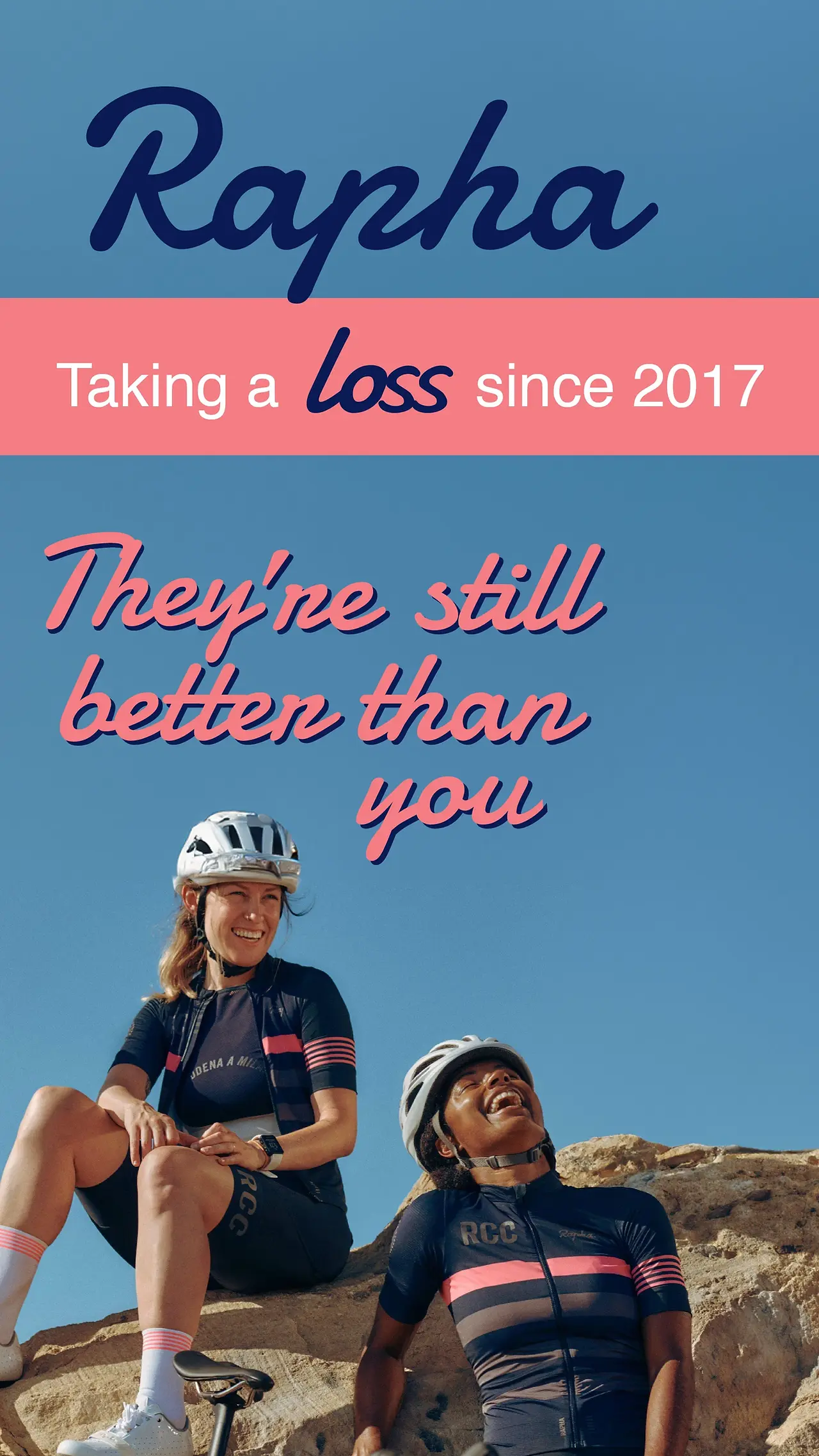
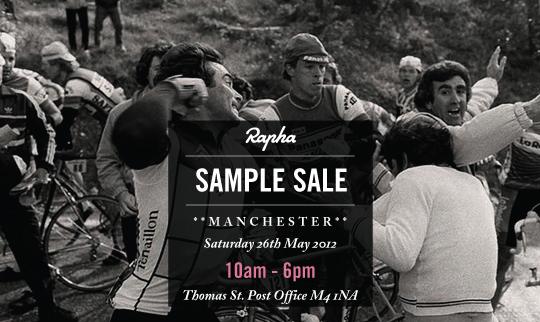
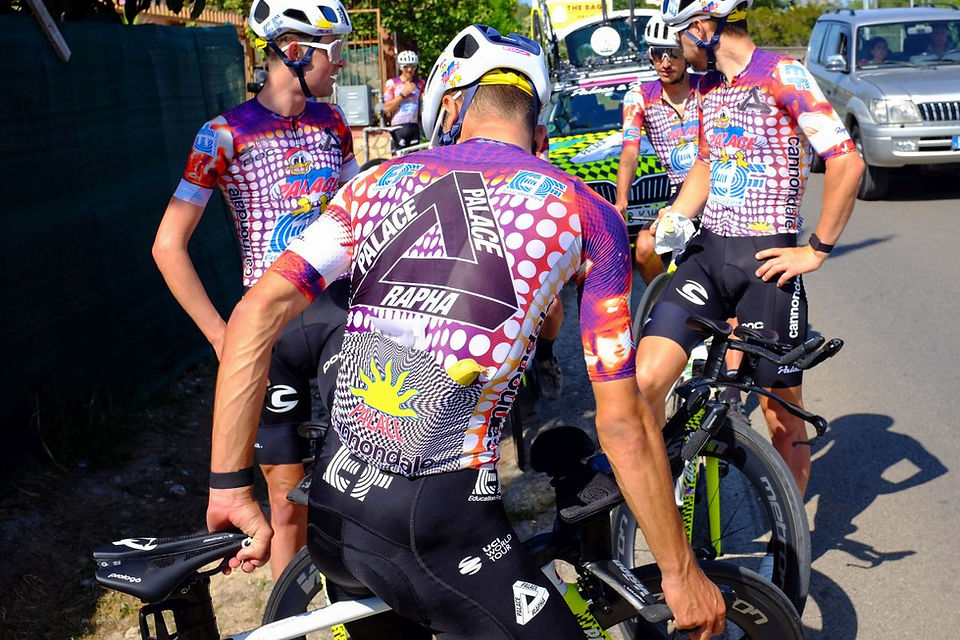
If you didn’t hear, Rapha, took their 7th year in a row being underwater. Their sales this past year were a staggering $153 million dollars, and yet they still managed to report a $27M loss for the year.
Yes, there are lots of factors like the cycling market as a whole is down some, but they also had 30k less website customers and a drop in about 20% of their club riders which is a massive expense for them to keep going.
Rapha just celebrated their 20 year anniversary, and as you might remember they were bought by members of the Walton family, well, 7 years ago in fact… as it seems because of their love of cycling. The investors are in it for the long haul and might be the lifeline Rapha needs while they figure out how to re-energize the brand to be back on top where it used to be.
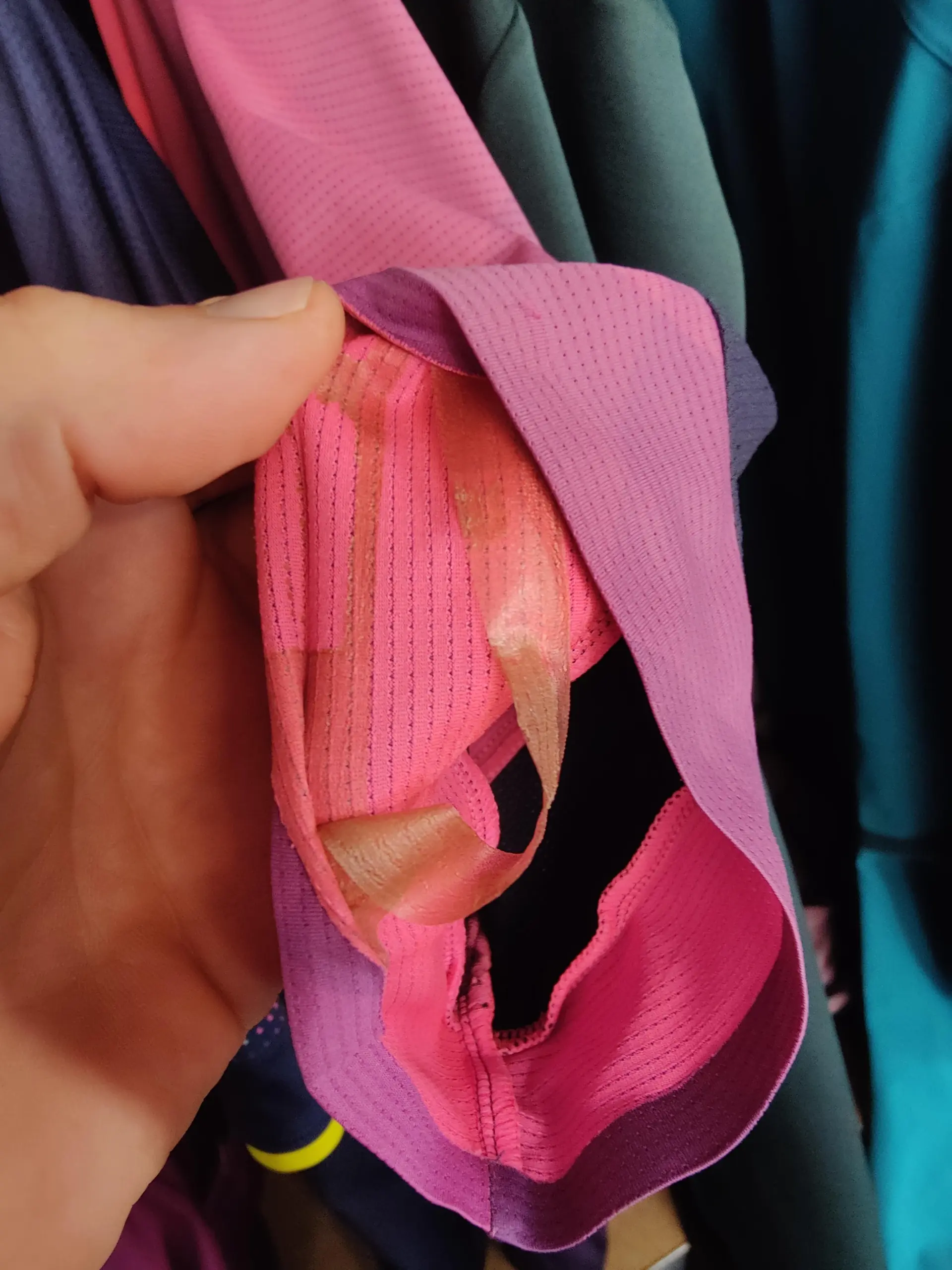
Some cyclists and brand leaders question if they can get back on top, as they were once the edgy new brand to the stale market, but now more looked at as the mainstream brand. Other complaints suggest the quality of the product has gone downhill, the colors have become boring, the brand still has a stigma of being elitist and way too expensive
Which is why Rapha has struggled to keep the core cycling riders from ever buying the products at full price, always waiting for the big sales where the product aligns more with the market and the quality.
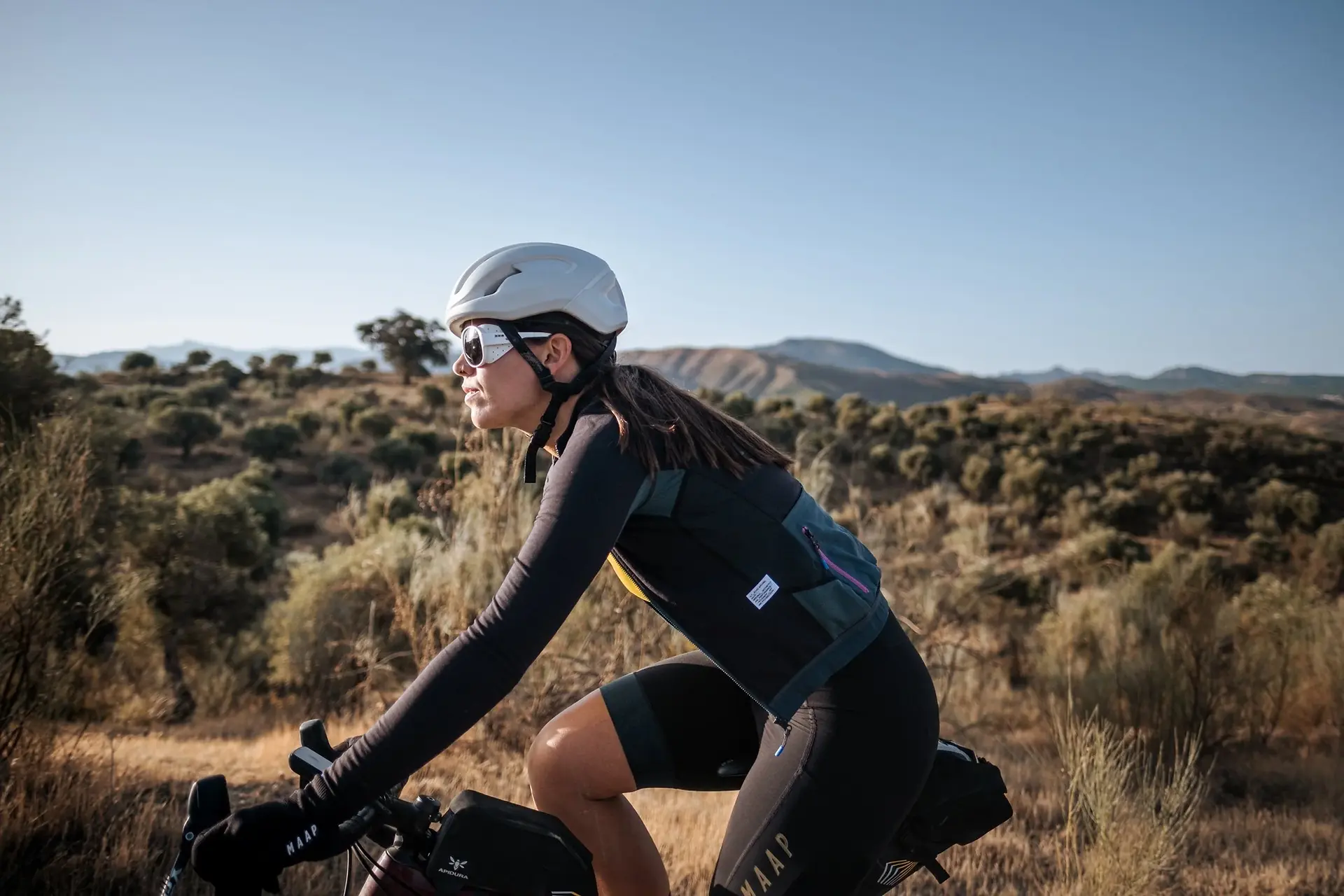
With so many other interesting cycling brands coming to the market, like MAAP, who speak into a cinematic edgy global exploration vibe, and their expansion into running which makes complete sense, customers can find more crossover in their brand loyalty and style kits.
With so many other interesting cycling brands coming to the market, like MAAP, who speak into a cinematic edgy global exploration vibe, and their expansion into running which makes complete sense, customers can find more crossover in their brand loyalty and style kits.
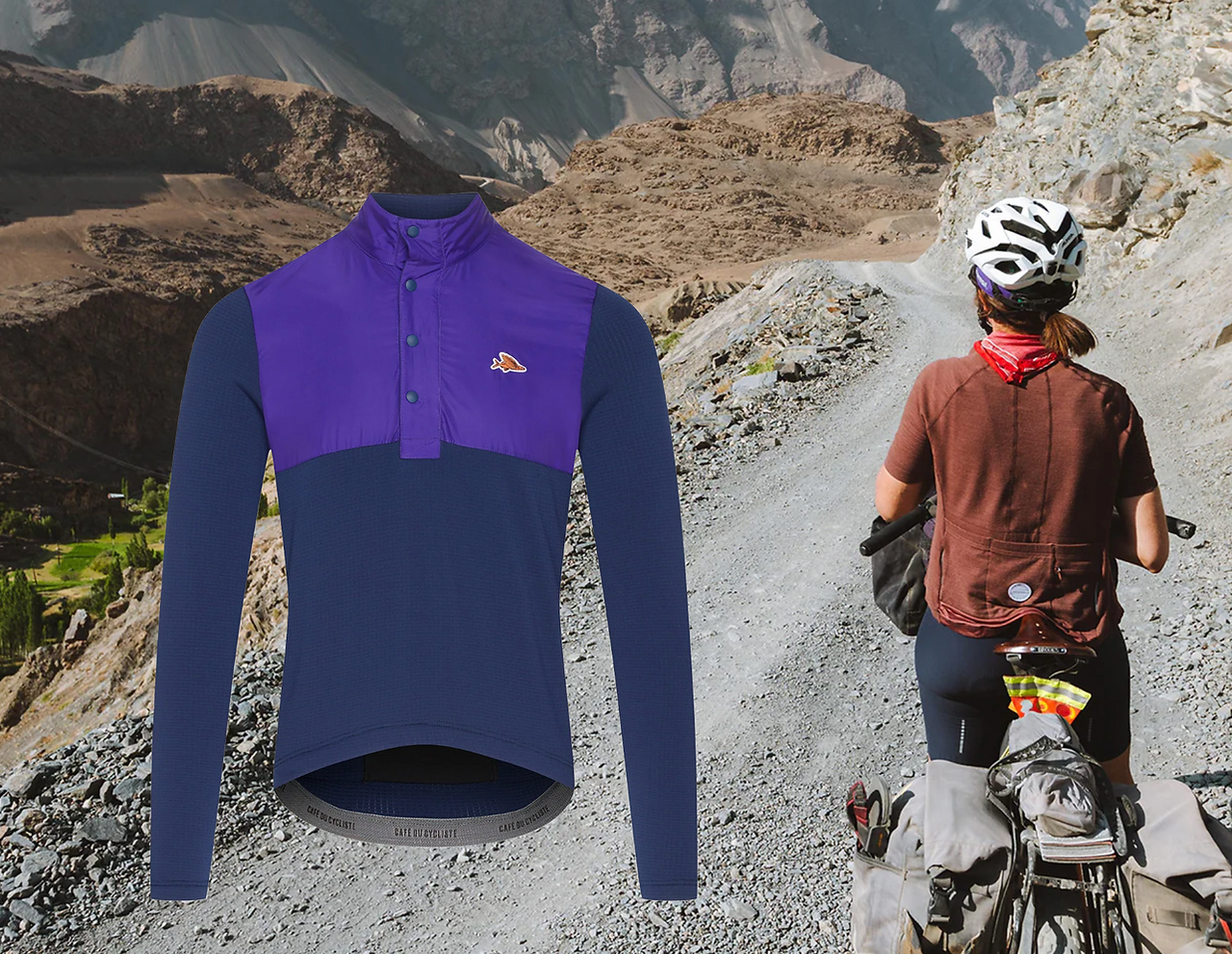
Or Cafe du Cycliste who tip into more of an outdoor vibe, which reminds me of a Topo Designs vibe for cyclists. Again, easy crossover to lifestyle, which is less to do with Rapha’s current aesthetic
So do you think Rapha can pull itself out of this pit they’ve dug themselves in, similar to what Nike’s currently doing? I’d suggest getting their quality fixed first and foremost, to ensure their reputation of quality isn’t lost, design ethos back to what made them popular in the beginning, and infusing more “fun” into their brand. We’re tired of being stale faced and serious.
What moves do you think they need to do to rise up again?
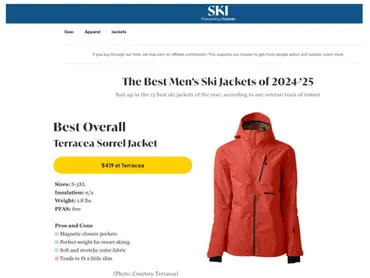
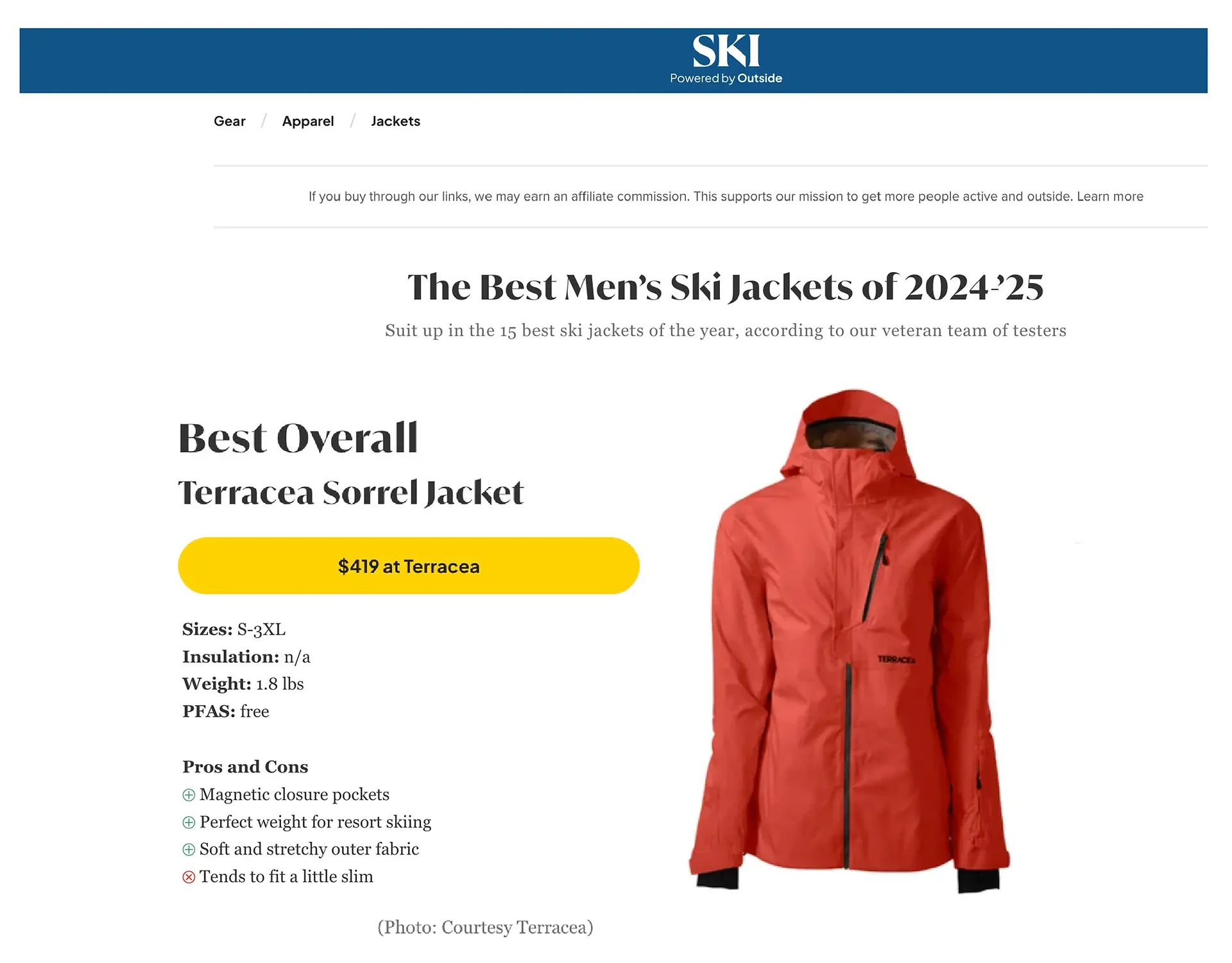
Sometimes it takes the right conditions for the planted seed to grow into something amazing. In this case it took an extra season for the industry media to see what we saw all along when WERX designed, developed and produced the Sorrel jacket for Terracea.
As written by the Ski Magazine writer about the Sorrel jacket: “We can sum up what we loved most about the Terracea Sorrel in one word: magnets. The New England-based company uses nickel-sized magnets to close the storm flap over the front zip. Pulling a tab opens it up and letting it go closes it securely, and there’s also an inner zipper for a little added peace of mind. “It’s the best phone pocket,” raved one tester who works as a realtor and often takes calls on the chairlift. “I never had to take my gloves off to access my phone.” The rest of the jacket is equally functional. The 75-denier outer fabric backed by a proprietary waterproof-breathable membrane has a nice soft touch and a hint of stretch. It’s burly enough to block a howling north wind and just packable enough to stuff into a pack for a slackcountry tour. The 20,000-millimeter waterproof rating kept testers dry during a soggy day at Mount Baker and the wrist gaiters and fleecy chin patch added a touch of comfort on chilly lift rides. Consider yourself warned that the tailoring is a little slim; stockier testers should size up. Dial in the fit and this will be the shell you reach for all season long.“
Retail isn’t just about selling stuff anymore—it’s about bringing people together. More and more brands in the outdoor and activewear space are creating hangout spots inside their stores to connect with customers in a real way.
Why Brands Are Doing It…
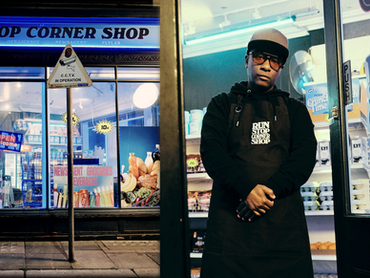
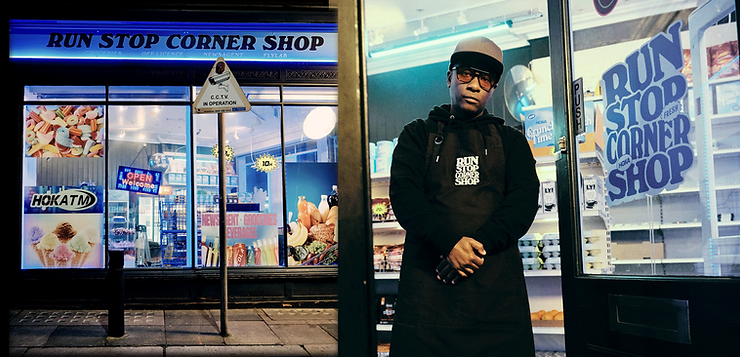
Hoka’s new Run Stop Corner Shop in London isn’t just a place to buy running shoes; it’s a cool spot where runners can grab supplies, meet other athletes, and feel part of something bigger.
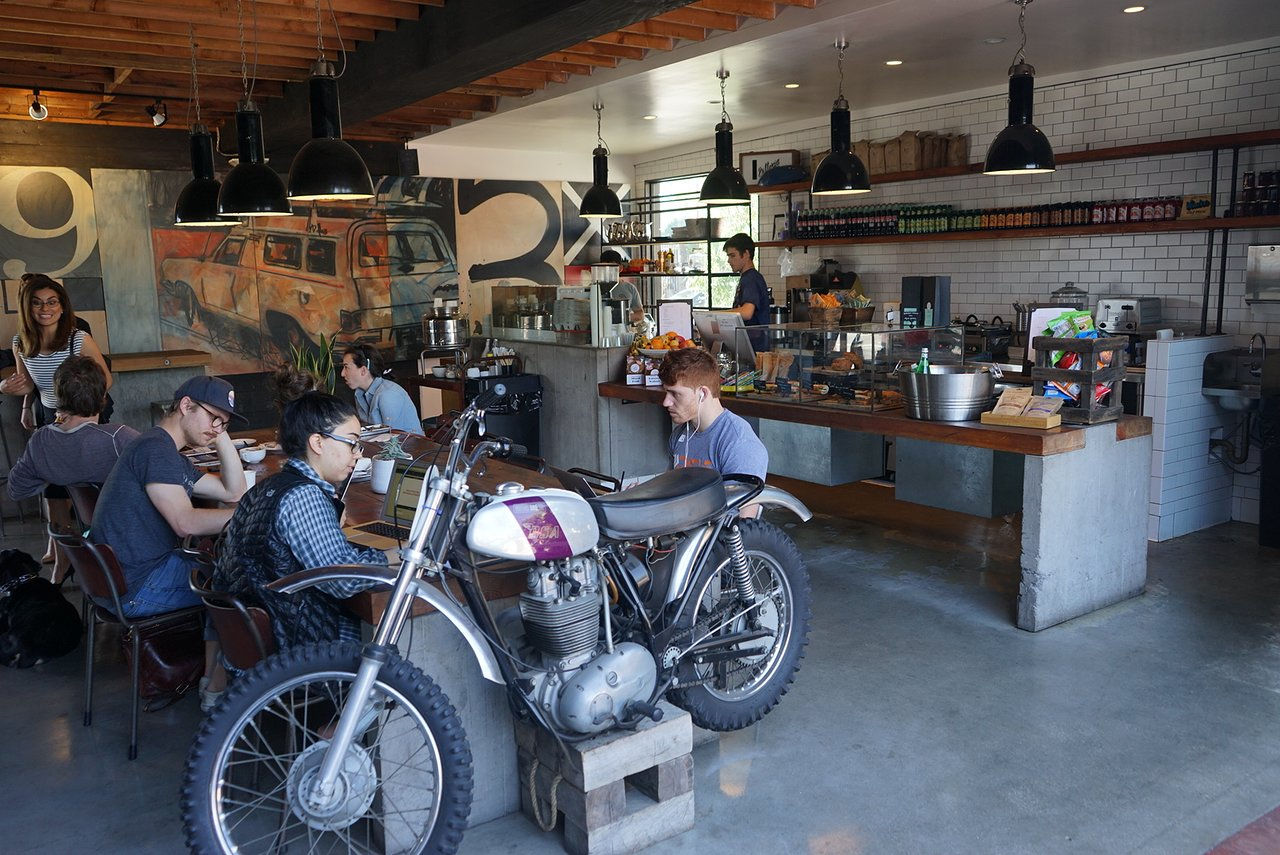
Deus Ex Machina blends retail with coffee culture, making their stores more than just a place to shop— they’re a place to belong.
Other brands are catching on, adding coffee bars, event spaces, workshops, and even yoga studios inside their stores. The goal? Give people a reason to stay, engage, and keep coming back.
How You Can Do This for Your Brand
You don’t need a massive budget—just a little creativity:
✅ Create a chill lounge area—a few comfy seats and free coffee can go a long way.
✅ Make your space interactive—gear swaps, live music, or speaker nights.
What If You Don’t Have a Retail Space?
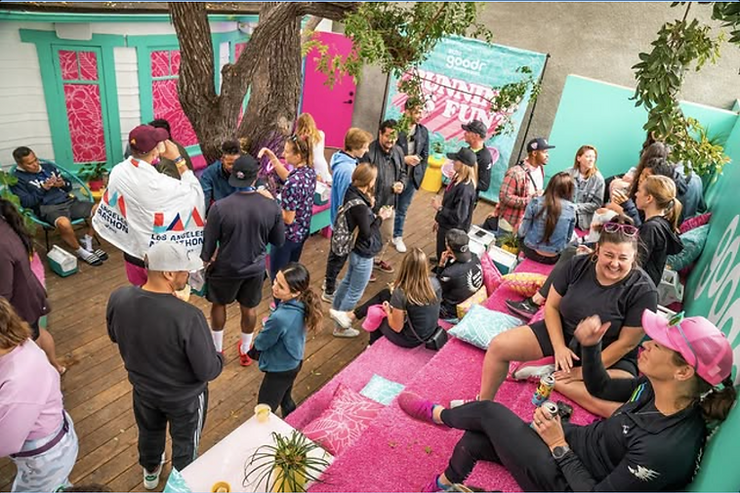
Not every brand has a brick-and-mortar store, but that doesn’t mean you can’t create a community hangout. Events, pop-ups, and outdoor gatherings are great ways to bring your people together.
✅ Set up a lounge at events—Trade shows, races, or festivals are perfect opportunities to create a branded chill zone where your community can connect.
✅ Host meetups in public spaces—Partner with a local coffee shop, park, or co-working space to bring like-minded customers together.
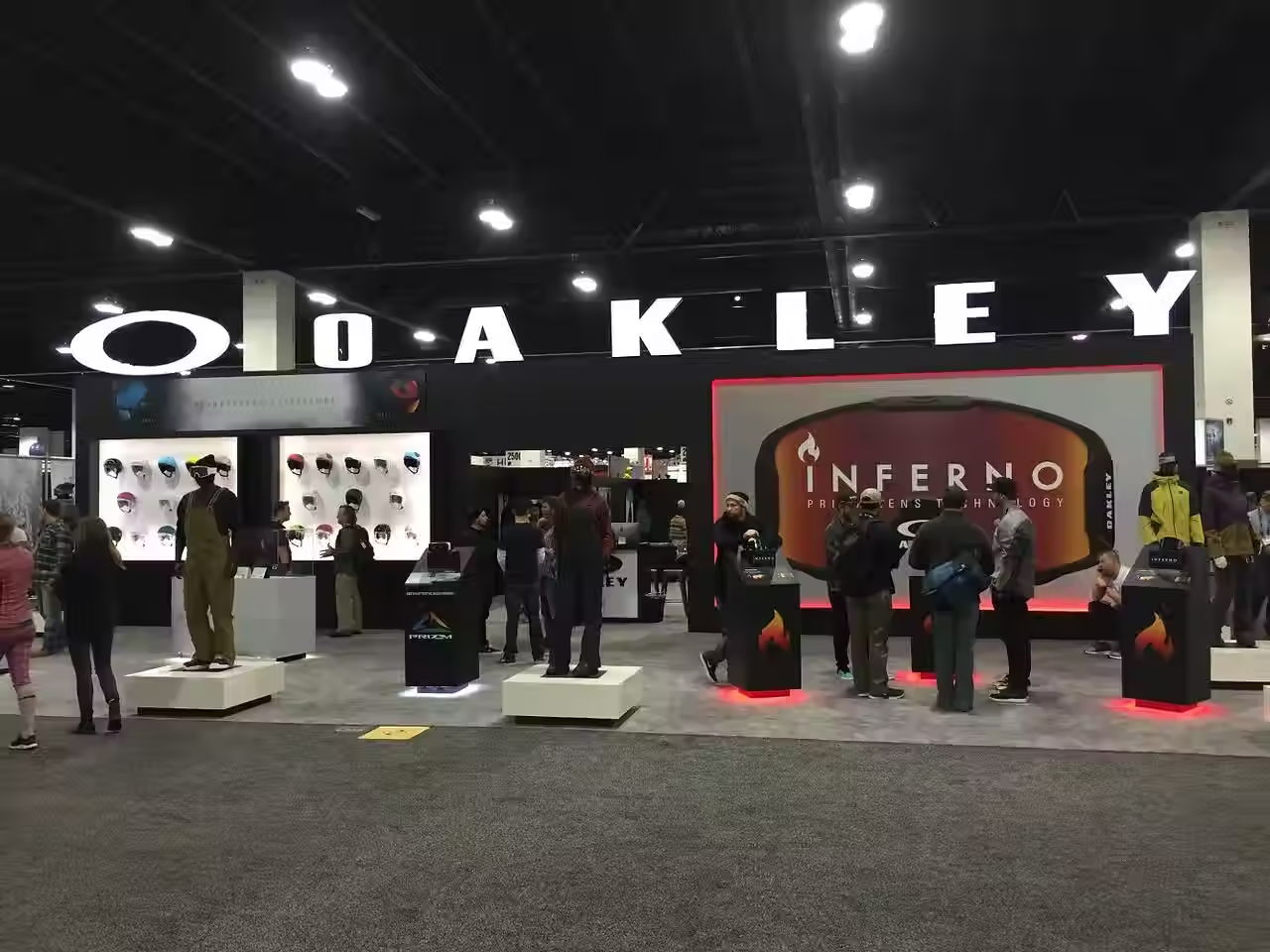
✅ Create an experience at expos—Instead of just a standard booth, offer a space with seating, snacks, or even live entertainment to encourage people to stay and engage.
Customers don’t just want products from you anymore; they want to feel part of your brand – IF they can feel and vibe with it. Give them a place to hang out, meet like minded people, experience your brand and they’ll stick with your brand for the long run.
Time to turn your store, or your event area, into a community gathering space.
We have a lot of brands that we work with that are a little lost on where to go with their product line.
They are either;
Just starting out and have no products
Have been at it for a few years, had some success with a few key products but not sure where to go from here
Very established brand, but want to venture into more categories to grow their brand.
This is a tough spot, as venturing into new categories can be very lucrative, or it can crush your brand financially.
When you might be ready:
✅ Customers are asking for specific products
✅ Clear vision of what items would compliment your main products
✅ Brand's product storytelling is more complete with these new products
✅ Opportunity to test market with side adjacent products
✅ Customers & retail partners are stoked to buy more from you
Road Blocks to Overcome:
❌ Unclear product expansion direction
❌ Lack of design/dev knowledge of the new products
❌ No Factory Source base to make new products
❌ No bandwidth from your team to add a new category/line
❌ No distribution opportunity / channel
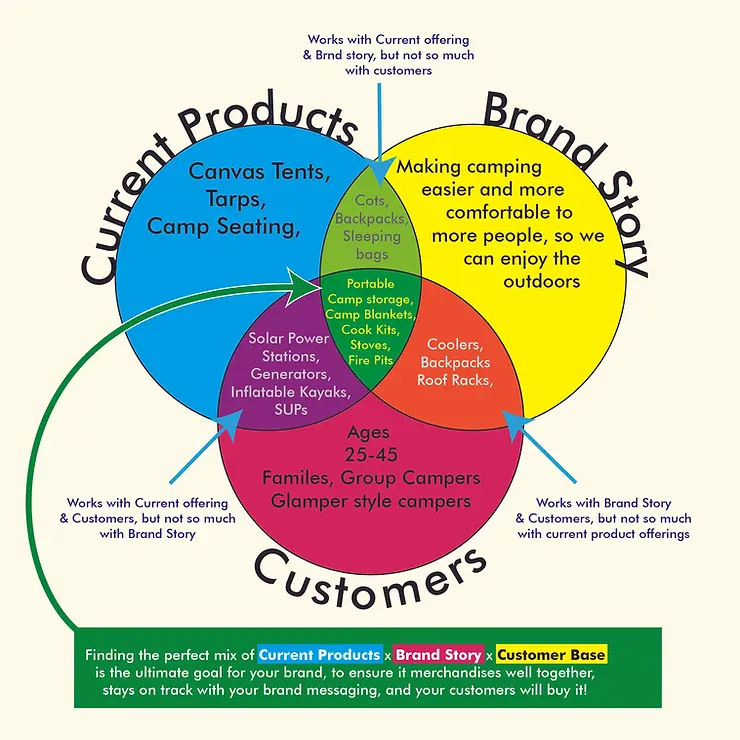
OK, but what categories work to grow??
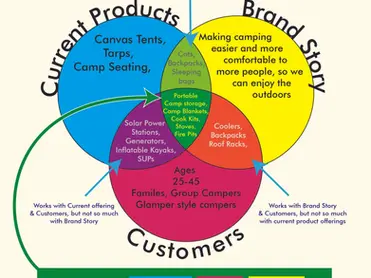
Let's take a canvas bell tent company for example…
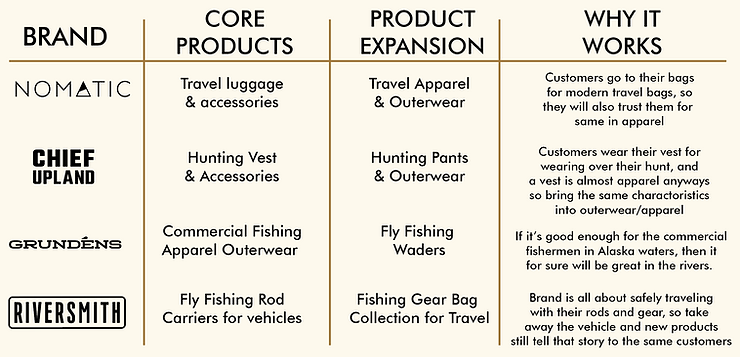
Case Studies:
Here are 4 examples of brands we've recently helped expand into new categories, and why it worked:
So the take-away here is, if you feel that you have the interest to expand your brand for growth, there's usually a path for your brand. You just need to find the thread that can tie it all together, as well as the skills and bandwidth in your team to knock it out of the park, as just like when the brand was launched, you don't want everyone to show up at the party to see then debut and it falls flat.
As the WERX Design team has done this for many brands over the years, and you could use some help, even just a consult call to chat about it, click the button below to link up.
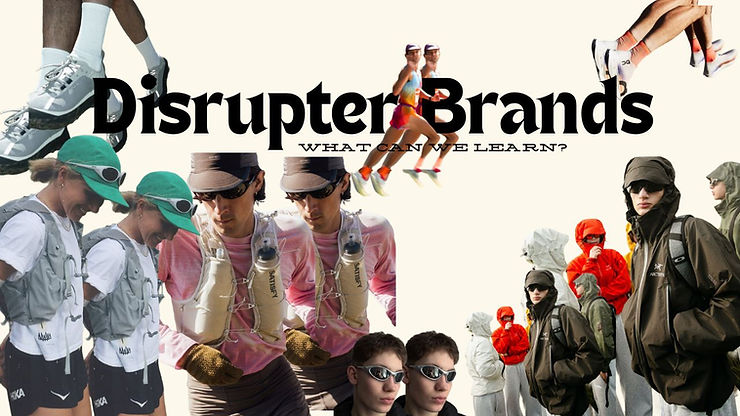
How to Win in 2026: A Lesson from Running Disrupter Brands
Updated: Apr 6
We’ve seen it all from disrupter brands.
Especially in running
Cowboys running. Gorp to the core. Sunnies that look like your dads.
The disrupter running brands of 2025 have given us a lot to learn from in 2026.
Mirror, mirror, on the wall, who will be the fairest of them all?
The fairest will be those who understand these three things in 2026.
Performance will be assumed, meaning will differentiate.
Every brand under the sun labels clothes as “lightweight”, “performance”, “durable”, and “scientifically tested”.
Tech is no longer the only thing a brand can stand on.
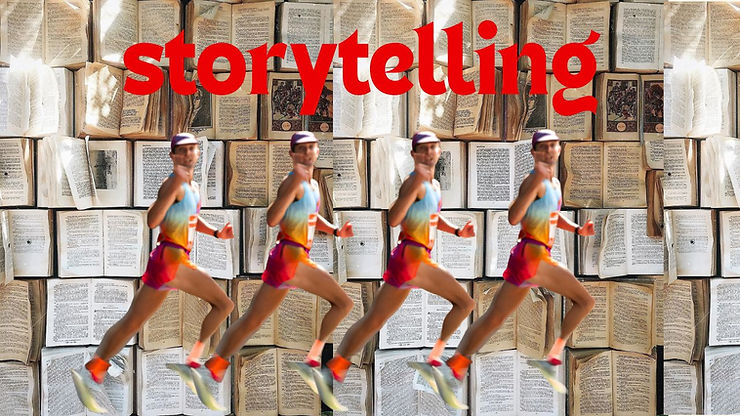
They have to create a feeling. An image. A community.
How do they do this?
Start with the why. Why does this product exist?
Then go to the who. Who is it designed for?
And lastly the what. What does it say about the person wearing it?
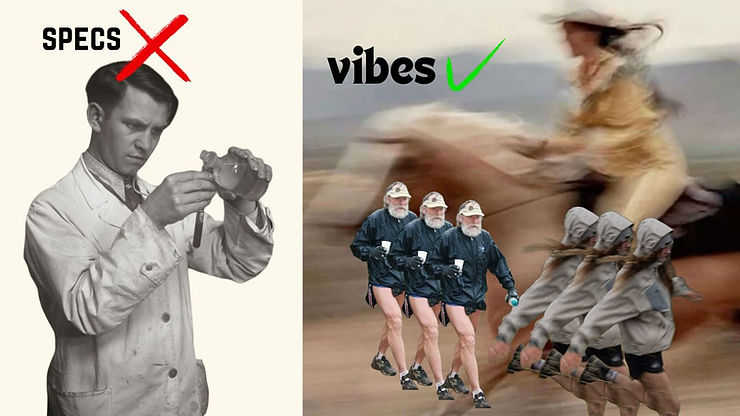
People don’t care about the specs, they care about what people whisper in their heads when they see them wearing the product.
Product design will start with community, not market segments.
We used to just have the elite runner or casual jogger.
Now we have the runner that wants to look like they own a horse and live on a multi-million dollar ranch out in the Colorado mountains, but in reality they just live in Ohio and go to a run club.
Or the runner that wants to look like their sunnies will actually take them to space because they are just SO silver and make you look SO fast you could actually catapult into space.
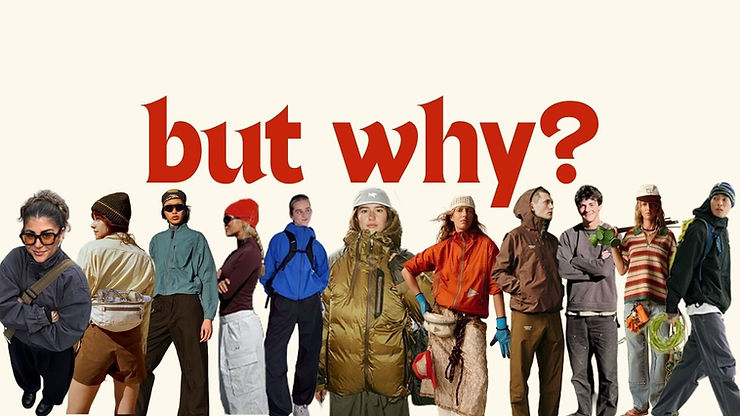
With the boom of running we’ve seen the stronger desire for differentiation within identity.
So what should a brand do to create this identity?
First, they design for micro-communities.
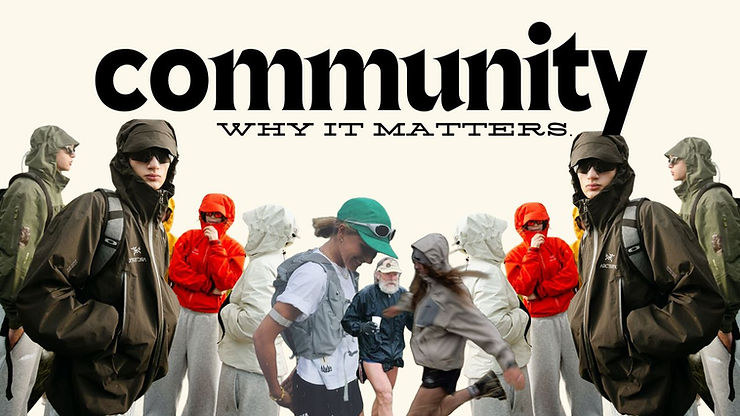
Then, they build around shared rituals, values, and environments (real or imaginary).
Lastly, they use community to inform the design. Community feedback should be used as core design input, not just post-launch validation.
Create an identity that people can deeply resonate with, even if it’s not who they actually are.
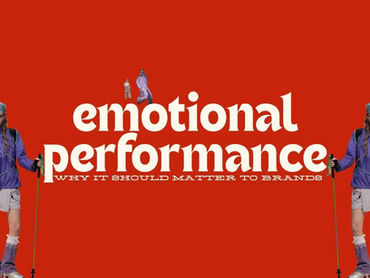
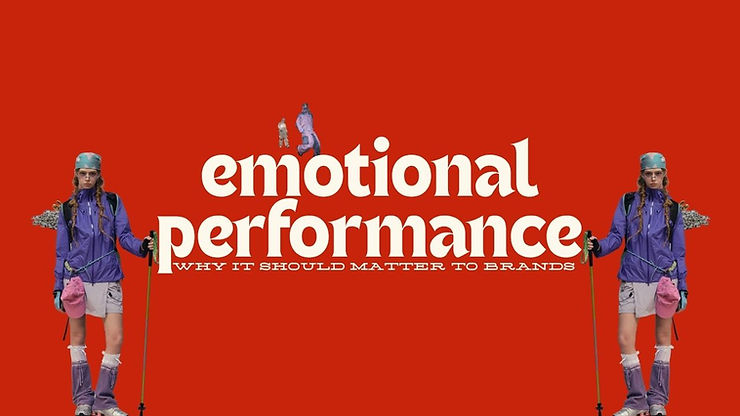
Emotional performance will matter just as much as physical performance.
It’s a dopamine hit to look in the mirror while running out the door to do a 5k.
Why?
When people put on their running clothes they want to put on an alter identity that makes them feel, oh. so. cool.
Tech is everywhere. You can get it from pretty much every brand.
But that feeling of looking in the mirror and seeing a rock star.
Only the luckiest (or most strategic) of brands get to have that.
So what does a 2026 brand do?
Drop the putting tech labels first and sell a lifestyle.
Design should evoke a feeling.
Because the human truth is, we all just want to belong.
If people feel a sense of belonging with a brand’s product, they are going to win.
Because branding is not just a little label you stick on the neckline, it’s in every part of the product experience.
For years, performance apparel has chased measurable outputs.
Lighter.
Stronger.
More breathable.
More tested.
And it worked. Until it didn’t.
Today, physical performance is assumed.
Every brand can claim technical credibility. Every product has a fabric story, a lab test, a feature set.
The baseline expectation is that the product simply works.
And it has to.
Granted, if your kit doesn’t perform like the rockstar you’ve created, then you might as well start over.
Technical design isn’t optional. It’s the price of entry.
But it’s no longer the reason people choose you.
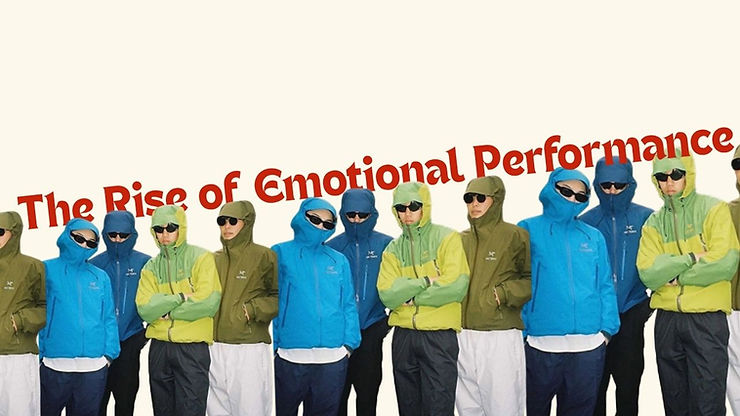
The Rise of Emotional Performance
Once physical performance is met, differentiation moves elsewhere.
Into emotion.
Emotional performance is the mindset shift that happens when someone puts a product on and immediately feels different.
More confident.
More capable.
More committed.
Think about it:
Cycling sunglasses that turn a casual ride into a race mentality.
Ski kit that makes you send harder simply because you feel faster.
Running vest that transforms a 5K into something epic.
Yoga apparel that calms the nervous system before the first breath.
Nothing physiological changes in that moment.
Everything psychological does.
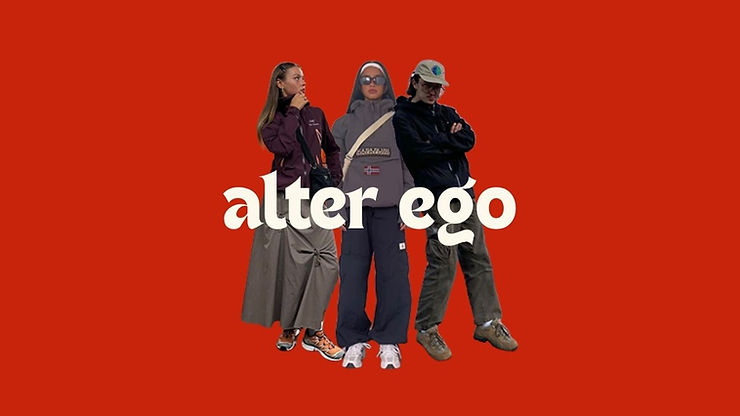
Apparel as an Alter Ego
People don’t just wear apparel for function.
They wear it to step into a version of themselves.
An alter ego.
Design gives permission to act differently.
To move with more intention, confidence, and belief.
This is where the next generation of brands will win.
Not by asking “What can this product do?”
But by asking “Who does this product let someone become?”
Because people don’t remember specs.
They remember how they felt when they looked in the mirror before heading out the door.
Why This Matters for Product, Marketing, and Brand Teams
The future is in storytelling and right now you are being left behind.
Because you have forgotten to put the end user’s feelings in mind.
This whole mindset changes the way your team operates, thinks, moves, and engages with product.
So what should you be doing?
Engineer real performance first: Emotional performance only works when physical performance is unquestionable.
Design with emotional intent: Every material, silhouette, and detail should serve a feeling, not just a function.
Use community as a design input: Not as validation after launch, but as direction before design begins.
Sell identity, then explain the tech: Specs support belief. They don’t create it.
At this point, the takeaway is simple but easy to ignore: performance gets you in the game, but emotion is what makes you matter.
If your product only meets expectations, it will always be interchangeable. The brands that break through are the ones that design for transformation; how someone feels, who they become, and why they keep coming back.
So as you move forward, pressure-test your work:
Are you building something that just performs, or something that changes behavior?
Are you designing features, or designing belief?
Are you marketing products, or shaping identity?
Start by locking in undeniable physical performance, no shortcuts there. But don’t stop at the spec sheet.
Define the feeling your product should unlock, design every detail to reinforce it, and bring your community into that process early. Then lead with the story of who your customer becomes, and let the technology back it up.
Because in the end, people won’t choose what works best. They’ll choose what makes them feel like their best.
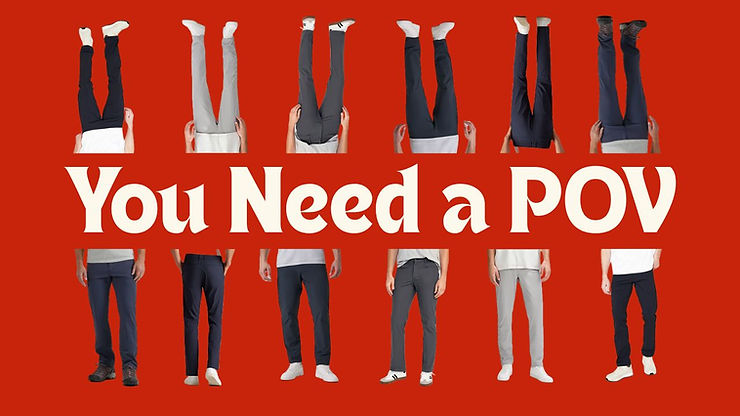
And the product ends up solving a problem no one cares about.
That’s how brands become interchangeable.
Not because they lack quality.
But because they lack perspective.
What Point-of-View Design Actually Changes
A point of view isn’t an aesthetic. It’s a filter.
It answers questions before they’re asked.
Who is this for?
What do we believe about how they move, live, and show up?
What choices are we intentionally not making?
When a point of view is clear, design decisions get sharper.
Marketing becomes more coherent.
Brand identity stops feeling manufactured and starts feeling lived in.
The product doesn’t just exist in the market.
It takes a position.
Why Point of View Matters
As categories get more crowded, neutrality becomes a liability.
Brands that try to appeal to everyone end up resonating with no one.
The teams that will win aren’t designing to match what’s out there.
They’re designing to express what they stand for.
They build real performance first.
And design with conviction.
Credibility is non-negotiable, but not the differentiator.
Every choice should reinforce a clear perspective, not a trend.
Let point of view lead the system.
Product, marketing, and brand should all speak the same language.
Because in a world where everything can be copied, your point of view is the only thing that can’t be.