Categories
Uncategorized

What Future Oriented Brands Will Do To Win in 2026

file

werxdesign

|

Aug 3

|

4 min read

What Future Oriented Brands Will Do To Win in 2026

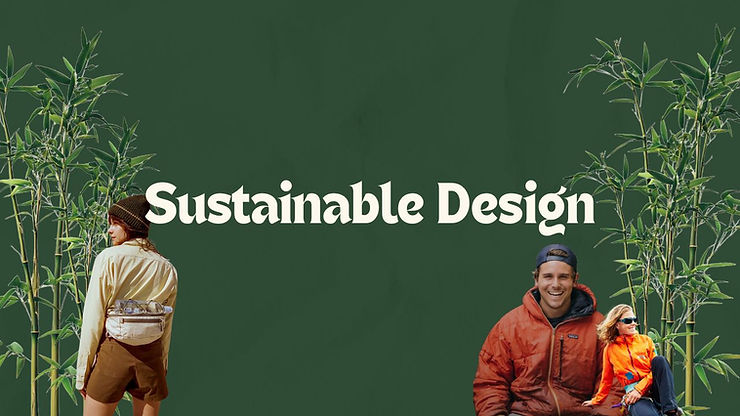
Let’s talk about “sustainable design”.

For years, sustainability in apparel followed the same script:

Source “better” materials.
Reduce a little waste.
Launch.

Hope people notice.
But hope is not a strategy.

In 2026, the brands that lead won’t just focus on fibers or certifications.
They’ll understand one thing:

Sustainability isn’t a checklist.
It’s a mindset.

It’s about transparency.
Yes, but not transparency alone.

It’s about designing a product with the end in mind.

How long will it last?
Can it be repaired?
Will it withstand time and wear?

Transparency matters, but it’s only part of the story.

The real difference comes from designing with the entire lifecycle in mind, and doing it collaboratively.

The new rules look like this:
1. Products designed to last, not just look good.
2. Repairs built in, not treated as an afterthought.
3. Materials chosen selectively, for impact and durability.
4. Consumers included as participants, not just recipients.

Sustainable apparel that works doesn’t just minimize harm.

It solves problems with the people who experience them.

It’s tested, stretched, repaired, and refined, before it even hits the shelves.

The result?

Garments that feel right from the first wear.
That age gracefully.
That people are proud to repair, reuse, and pass on.

The future of sustainability is clear:
Long-lasting.
Easily repairable.
Mindful of materials.
Transparent with the people who rely on it.

No secrecy.
No marketing gimmicks.
No products made to be disposable.

Just thoughtful design, built openly, and shaped by the people who care most.

Sustainable outdoor apparel isn’t about guessing the right fiber or label.

It’s about creating products that last, can be repaired, and involve the community from day one.

Categories
Uncategorized

What Norda Is Doing Differently and Why It’s Working

file

werxdesign

|

Aug 3

|

4 min read

What Norda Is Doing Differently and Why It's Working

In a crowded footwear market, it's easy to assume success comes from scale.

More retailers. More product launches. More customers. More price points.

For decades, that's been the formula.

Norda has taken almost the opposite approach.

Rather than trying to compete with the industry's biggest players on volume or accessibility, the Canadian trail running brand has built its reputation around a single question:

What would the best trail running shoe in the world look like if there were no compromises?

That philosophy has become the foundation of the entire company and it's increasingly becoming the reason so many runners are paying attention.

A Product-First Philosophy

When Norda launched, one detail immediately stood out: the price.

At around $300, the shoes sat well above what many runners considered reasonable for trail footwear. To many, it seemed like an impossible proposition.

But Norda wasn't asking customers to buy another trail shoe.

They were asking them to buy into a philosophy.

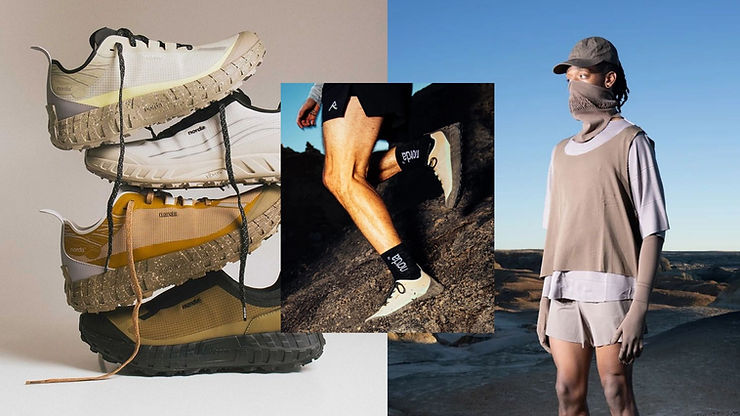
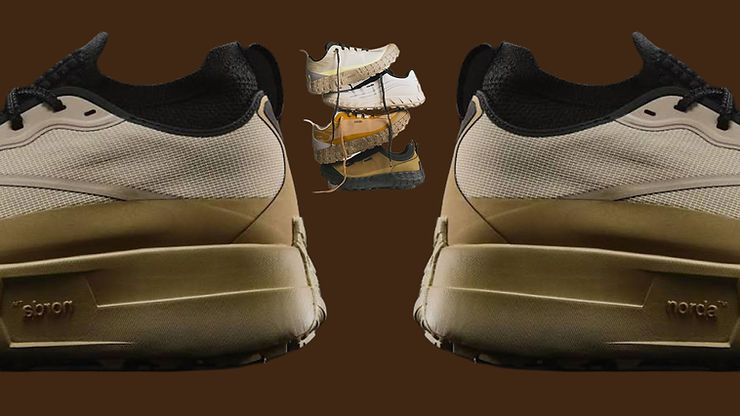
Every material, component, and design decision prioritized performance and durability over cost. Dyneema® uppers. Vibram® outsoles. Custom foam compounds. Premium materials weren't marketing features—they were the starting point for product development.

Instead of asking, "How do we hit this price point?"

Norda asked, "What's the best possible solution?"

That shift changes everything.

Innovation Isn't a Feature, It's the Strategy

Many brands position themselves as innovative. They'll introduce a new foam, a redesigned upper, or a seasonal update and market it as the next breakthrough.

Norda approaches innovation differently.

Rather than treating innovation as a campaign, they've built an entire business around pushing product performance forward. Every new release reflects the same commitment to technical excellence instead of chasing broader market appeal.

That consistency has helped create something many brands struggle to achieve: trust.

Customers know what Norda stands for because every product reinforces the same point of view.

Performance Creates Credibility

Premium positioning only works if the product delivers.

Fortunately for Norda, it has.

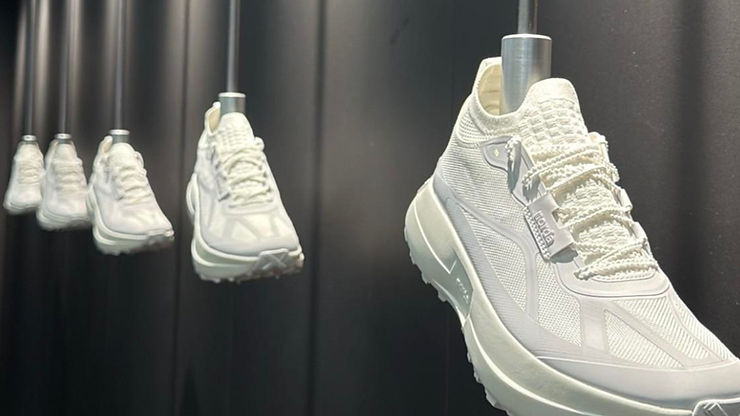
The launch of the Norda 005 challenged expectations for what a premium trail racing shoe could be. Instead of fading after the initial excitement, the shoe has continued building momentum as more athletes put it through real-world testing.

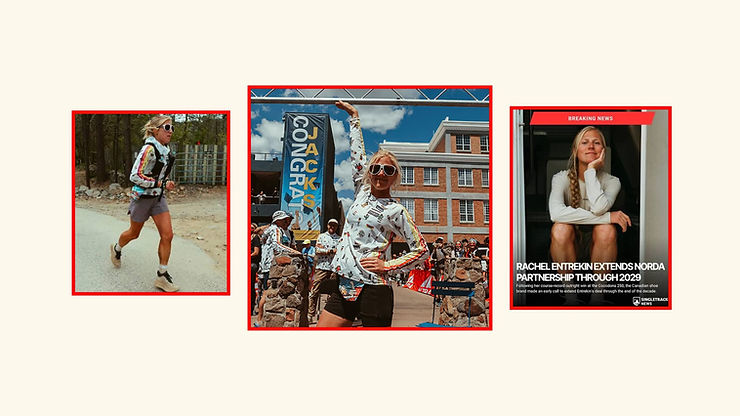
That momentum reached another level when Rachel Entrekin won the Cocodona 250 outright. Beating the entire men's and women's fields while setting a new course record in Norda footwear.

Moments like these matter.

Not because one athlete defines a brand, but because elite performance validates the philosophy behind the product. The technical decisions stop being marketing claims and become measurable advantages.

Winning by Being Specific

Perhaps the biggest lesson from Norda isn't about footwear at all.

It's about positioning.

Many brands expand by broadening their audience. They introduce lower-priced options, wider assortments, and messaging designed to appeal to as many people as possible.

Norda has done the opposite.

They've remained unapologetically premium.

Unapologetically technical.

Unapologetically obsessive.

That clarity gives customers something increasingly rare: a brand with a strong point of view. They know exactly who they're building for and they're comfortable knowing they won't be for everyone.

Ironically, that focus is what has allowed the brand to grow beyond its original niche.

Great Products Start With Conviction

Norda's recent success isn't the result of chasing trends or trying to out-market larger competitors.

It's the result of committing to a clear philosophy and executing it relentlessly.

The lesson extends well beyond running shoes.

Brands don't have to win by serving everyone. In many cases, they win by serving a smaller audience exceptionally well.

Because in markets crowded with products trying to satisfy everyone, the brands that stand out are often the ones willing to stand for something specific.

Sometimes the strongest competitive advantage isn't having the biggest audience.

It's having the strongest point of view.

Categories
Uncategorized

Why Is Every Premium Outdoor Brand Using Dyneema®?

file

werxdesign

|

Aug 3

|

4 min read

Why Is Every Premium Outdoor Brand Using Dyneema®?

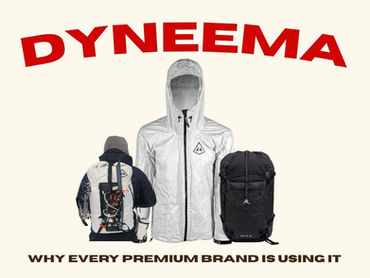
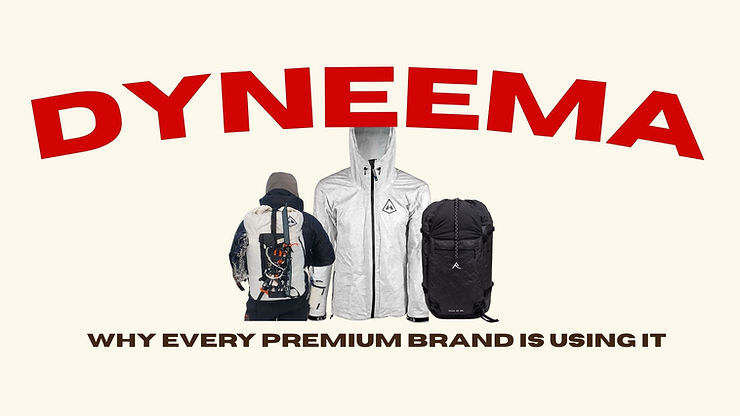
Walk through the premium outdoor market right now, and one material seems to be everywhere and that's Dyneema®.

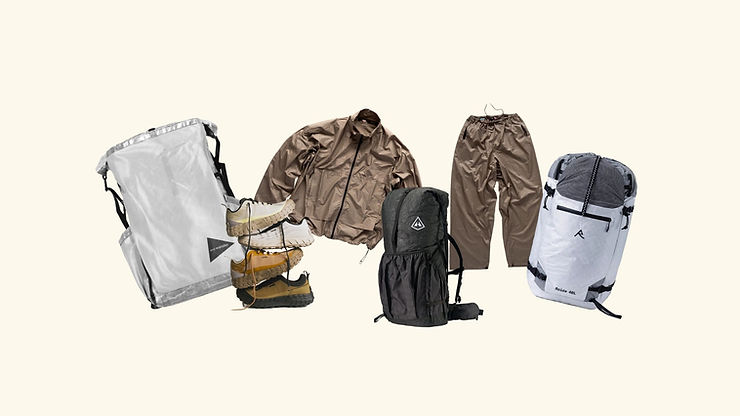
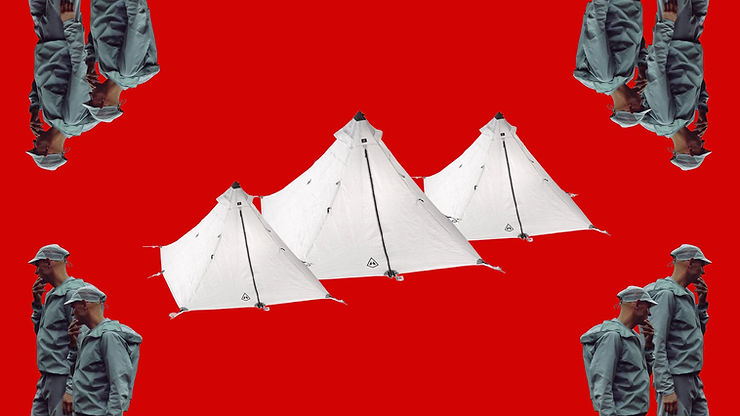
You’ll find it in trail running shoes, ultralight packs, cycling bags, rain jackets, rain pants, and technical gear from both established brands and emerging startups.

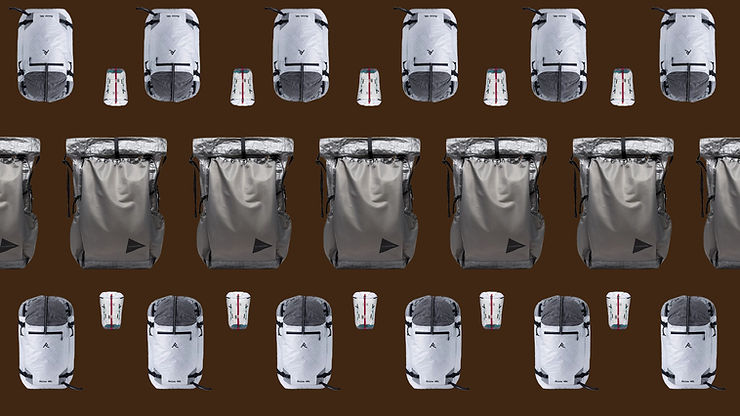
Brands like Norda, Raide, and Wander, and Hyperlite Mountain Gear have embraced Dyneema as a core part of their product strategy. And while the material has been around for decades, it has never felt as prevalent, or as culturally relevant, as it does today.

So why are so many premium outdoor brands using it? The answer goes beyond performance. Dyneema has become more than a material. It has become a signal.

Dyneema Has Become a Recognizable Name

For most consumers, fabric technology used to stay behind the scenes. People cared about whether a jacket was waterproof or whether a pack was durable, but they often didn’t know, or ask, what materials made those features possible.

That has changed. Today’s outdoor customers are more informed and more material-conscious. They research products, compare specifications, and pay attention to the technologies behind the gear they buy. As a result, certain material names have become recognizable outside of product-development circles.

GORE-TEX is one of the clearest examples. The name has become so closely associated with waterproof performance that customers often look for it specifically, not just because they understand every technical detail, but because they know what it represents.

Dyneema is beginning to occupy a similar space. When customers see the name, they immediately associate it with advanced performance, lightweight construction, durability, and premium product design. That recognition gives brands an advantage. The material communicates part of the product story before the customer ever uses the product.

The Performance Behind the Hype

Of course, Dyneema wouldn't have become a premium signal if it didn't offer meaningful performance benefits. The material is exceptionally strong for its weight and highly resistant to abrasion. That combination gives designers more flexibility when developing products where weight and durability are both critical.

For years, outdoor product development often involved a difficult tradeoff. Make a product lighter, and you may sacrifice durability. Make it more durable, and you may add weight.

Dyneema helps address that challenge by allowing brands to create lightweight products that can still hold up to demanding use. That matters across nearly every category in the outdoor industry.

A trail running shoe can reduce unnecessary weight without relying on a fragile upper. A pack can remain light while offering greater resistance to abrasion. Technical bags can use less material without giving up structural performance. The result isn't simply a stronger fabric. It's the ability to rethink what a product can be.

Why We're Seeing Dyneema Everywhere Now

Dyneema isn't new, so why does it feel like every premium outdoor brand is using it now? Part of the answer is that the outdoor market has changed.

Consumers increasingly expect products to be lighter, more durable, and more specialized. At the same time, brands are competing in categories where performance differences can be difficult to communicate. Materials offer a clear way to demonstrate technical intent.

Using Dyneema tells customers that a brand has invested in performance. It signals that the product was designed with advanced materials and that weight, durability, and long-term use were considered from the beginning.

For premium brands, that message matters. Dyneema can help justify a higher price point, but it can also reinforce a broader brand identity. It gives companies a recognizable technology they can build into their product story. In that sense, the material has become part of the brand, not just part of the product.

4813fa_442bd72d70a748cea1eb56e6ca21366b~mv2

Materials Can Build Interest—But They Can't Build the Whole Product

There is an important distinction, though. Premium materials do not automatically create premium products.

A poorly designed product made with Dyneema is still a poorly designed product. The material may capture attention. It may create a perception of quality. It may even convince someone to take a closer look.

But the product still has to perform. The fit has to work. The construction has to make sense. The details have to support the intended use. The product has to solve a real problem for the customer.

Material selection is only one part of the design process. A great product comes from how every component works together, from the fabric and construction to the fit, function, durability, and overall user experience.

Dyneema can create new possibilities, but designers still have to turn those possibilities into something useful.

The Material Gets Attention. The Product Earns Trust.

The rise of Dyneema says something larger about where the outdoor industry is headed. Materials are no longer invisible components hidden inside a product. They have become part of the customer conversation, and in some cases, part of the brand's identity.

For brands, that creates an opportunity. The right material can communicate performance, reinforce positioning, and help tell a more compelling product story. But the material is only the beginning.

Customers may notice Dyneema because of what the name represents. They may be drawn to the promise of lightweight durability and advanced performance. What determines whether they come back is the product itself.

Because the fabric gets your attention. The product earns your trust.